Welcome to our blog page, where we delve into the world of sustainable fashion and explore the latest trends, tips, and insights. Our blog is written by none other than our founder and designer, Shivani Arya, who brings her expertise and passion for sustainability to every post.
Through our blog, we aim to promote sustainable fashion and provide insights into the positive impact it has on our planet and its inhabitants. From the latest sustainable fabrics and eco-friendly production techniques to the benefits of upcycling and slow fashion, our blog covers it all.
As a brand committed to sustainability, we believe that it's our responsibility to educate and inspire our customers about the importance of making conscious choices when it comes to fashion. Our blog is one of the ways we do this, sharing our knowledge and experience to empower others to make informed decisions.
Whether you're a fashion enthusiast looking to stay on top of the latest trends or a sustainability advocate eager to learn more about the impact of fashion on our planet, our blog has something for everyone.
So, sit back, grab a cup of tea, and join us as we explore the world of sustainable fashion. We hope our blog inspires you to make a positive change and embrace a more sustainable way of life.
As a sustainable fashion designer, I have witnessed the alarming rise of fast fashion in the last few years. Fast fashion, a term used to describe clothing produced rapidly and inexpensively to keep up with the latest trends, has taken over the fashion industry, leading to a culture of overconsumption and waste.
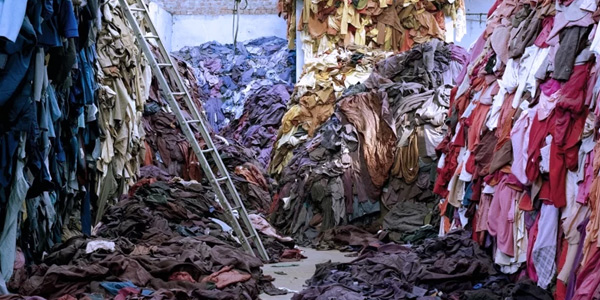
As a fashion designer who believes in sustainability, I am deeply concerned about the impact of fast fashion on our planet. In contrast to the modern trend of overconsumption, fast fashion has its roots in World War II austerity, where high design was merged with utilitarian materials.
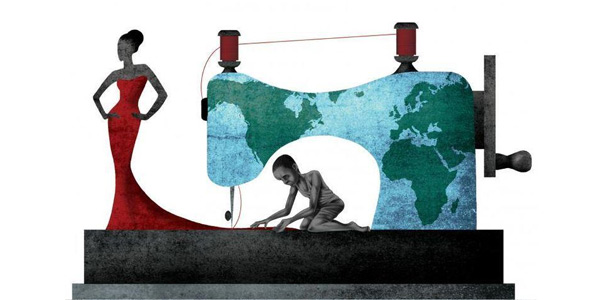
Fashion has always been a part of our lives - we wear clothes to express ourselves, to make a statement, or simply to feel comfortable. However, we often forget that behind every piece of clothing we wear, there are countless hands that made it possible.
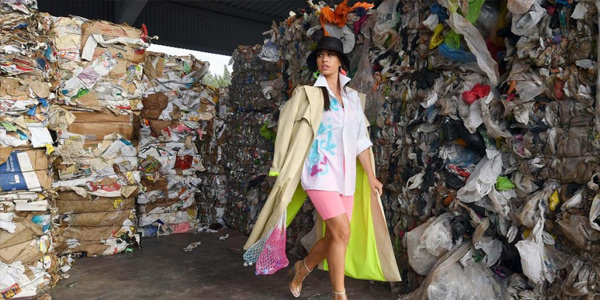
Fast fashion brands produce pieces to get the newest style on the market as soon as possible. They emphasize optimizing certain aspects of the supply chain for the trends to be designed and manufactured quickly and inexpensively and allow the mainstream consumer to buy current clothing...
Hi there! I'm Shivani Arya, and I'm excited to talk about an issue that's close to my heart - fast fashion. As a fashion enthusiast, I understand the temptation to buy trendy clothes at an affordable price.
Hi there, it's Shivani Arya! Today, I want to talk about the emerging business models in the fashion industry that are challenging the prevalent ready-to-wear model.
As a lover of fashion, it can be hard to ignore the negative impact that the industry has on the environment. In fact, the fashion industry is the second largest polluter in the world, right behind the oil industry.
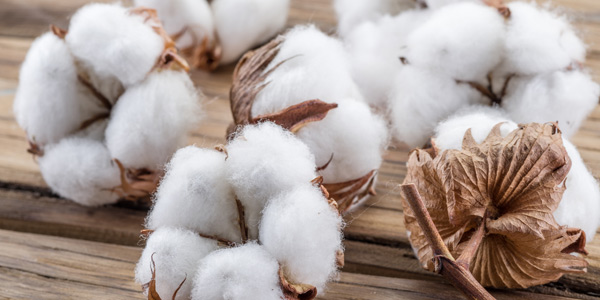
Hey there, fashionistas! I am Shivani Arya, and today, I am going to talk about sustainable fashion and how to choose eco-friendly materials. We all love fashion and have a passion for looking trendy and chic, but have you ever thought about the impact of the clothes you wear on the environment?

Hi there! I’m Shivani Arya, and I’m passionate about fashion and sustainability. I’m sure many of you are as well, which is why I wanted to dive into some of the controversies surrounding sustainable fashion today. The question at the foundation of sustainable fashion is what is to be "sustained" of the current model of fashion. It is a complex issue, and as we explore the topic further, we begin to see the controversies that arise, such as which stakeholder agendas should be prioritized over others.
As a sustainable fashion designer, I have witnessed the alarming rise of fast fashion in the last few years. Fast fashion, a term used to describe clothing produced rapidly and inexpensively to keep up with the latest trends, has taken over the fashion industry, leading to a culture of overconsumption and waste.
It's important to understand that fast fashion wasn't always the norm. In fact, it originated during World War II when designers merged high-end fashion with utilitarian materials due to austerity measures. However, the fast fashion business model that we see today is driven by consumer's desire for new clothing at affordable prices, which ends up creating an unsustainable cycle of overconsumption.
The impact of fast fashion on the environment is staggering. According to Dana Thomas, author of Fashionopolis, Americans spent a staggering 340 billion dollars on clothing in 2012, the same year as the Rana Plaza collapse. This shows how consumerism is deeply ingrained in our society, and how we are all responsible for the consequences that arise from it.
One of the main problems with fast fashion is the concept of planned obsolescence. Clothes are designed to be disposable, which means they are expected to be replaced quickly. The fast fashion industry operates on a business model of low quality and high volume, which makes it affordable for consumers to buy more clothes than they actually need. However, this has led to an increase in the volume of goods that need to be disposed of or recycled, which is not sustainable in the long run.
The quality of fast fashion goods is also a major concern. Low-quality garments are designed to have a shorter lifespan, which means they need to be replaced much more frequently than higher-quality, sustainable clothing. Furthermore, most fast-fashion goods are not made to be considered collectables or historic pieces, making them even more wasteful when they are disposed of.
As a designer, I believe that we all have a responsibility to create a more sustainable fashion industry. Slow fashion, which emphasizes quality, durability, and timeless design, is a great alternative to fast fashion. We need to prioritize sustainable fashion practices, such as using eco-friendly materials, upcycling, and recycling. We also need to reduce overconsumption and change our mindset from buying more to buying better.
In conclusion, fast fashion has a negative impact on the environment and promotes unsustainable practices. By making small changes, such as supporting sustainable fashion practices, reducing overconsumption, and choosing quality over quantity, we can all make a difference.
As a sustainable fashion designer, I have witnessed the alarming rise of fast fashion in the last few years. Fast fashion, a term used to describe clothing produced rapidly and inexpensively to keep up with the latest trends, has taken over the fashion industry, leading to a culture of overconsumption and waste.
It's important to understand that fast fashion wasn't always the norm. In fact, it originated during World War II when designers merged high-end fashion with utilitarian materials due to austerity measures. However, the fast fashion business model that we see today is driven by consumer's desire for new clothing at affordable prices, which ends up creating an unsustainable cycle of overconsumption.
The impact of fast fashion on the environment is staggering. According to Dana Thomas, author of Fashionopolis, Americans spent a staggering 340 billion dollars on clothing in 2012, the same year as the Rana Plaza collapse. This shows how consumerism is deeply ingrained in our society, and how we are all responsible for the consequences that arise from it.
One of the main problems with fast fashion is the concept of planned obsolescence. Clothes are designed to be disposable, which means they are expected to be replaced quickly. The fast fashion industry operates on a business model of low quality and high volume, which makes it affordable for consumers to buy more clothes than they actually need. However, this has led to an increase in the volume of goods that need to be disposed of or recycled, which is not sustainable in the long run.
The quality of fast fashion goods is also a major concern. Low-quality garments are designed to have a shorter lifespan, which means they need to be replaced much more frequently than higher-quality, sustainable clothing. Furthermore, most fast-fashion goods are not made to be considered collectables or historic pieces, making them even more wasteful when they are disposed of.
As a designer, I believe that we all have a responsibility to create a more sustainable fashion industry. Slow fashion, which emphasizes quality, durability, and timeless design, is a great alternative to fast fashion. We need to prioritize sustainable fashion practices, such as using eco-friendly materials, upcycling, and recycling. We also need to reduce overconsumption and change our mindset from buying more to buying better.
In conclusion, fast fashion has a negative impact on the environment and promotes unsustainable practices. By making small changes, such as supporting sustainable fashion practices, reducing overconsumption, and choosing quality over quantity, we can all make a difference.
As a fashion designer who believes in sustainability, I am deeply concerned about the impact of fast fashion on our planet. In contrast to the modern trend of overconsumption, fast fashion has its roots in World War II austerity, where high design was merged with utilitarian materials. However, the business model of fast fashion today is based on consumers' desire for new clothing to wear. Fast fashion brands provide affordable prices and a wide range of clothing that reflects the latest trends, which ends up persuading consumers to buy more items, leading to the issue of overconsumption.
As Dana Thomas, author of Fashionopolis, stated, Americans spent 340 billion dollars on clothing in 2012, the same year as the Rana Plaza collapse. This tragedy claimed over a thousand lives and exposed the dark side of the fashion industry. The issue of fast fashion has been growing over the years, and it's time to take action.
The study of planned obsolescence in fashion plays a key role in overconsumption. Last year's skirts, for example, are designed to be replaced by this year's new models. In this case, fashion goods are purchased even when the old ones are still wearable. The rapid production and new supply chain practices of fast fashion even accelerate the speed of it. In recent years, the fashion cycle has steadily decreased as fast fashion retailers sell clothing that is expected to be disposed of after being worn only a few times.
A 2014 article about fast fashion in Huffington Post pointed out that in order to make the fast-moving trend affordable, fast-fashion merchandise is typically priced much lower than the competition, operating on a business model of low quality and high volume. Low-quality goods make overconsumption more severe since those products have a shorter life span and need to be replaced much more often. Furthermore, as both industry and consumers continue to embrace fast fashion, the volume of goods to be disposed of or recycled has increased substantially. However, most fast-fashion goods do not have the inherent quality to be considered collectibles or historic collections.
As a designer, I am committed to creating sustainable and ethical fashion. It's important to remember that each of us can play a role in reducing the impact of fast fashion on our planet. We can choose to shop consciously and opt for slow fashion, which means buying less but buying better quality pieces that are designed to last. We can also support sustainable and ethical fashion brands that prioritize transparency and ethical production practices.
Together, we can make a difference and create a more sustainable future for our planet.
Fashion has always been a part of our lives - we wear clothes to express ourselves, to make a statement, or simply to feel comfortable. However, we often forget that behind every piece of clothing we wear, there are countless hands that made it possible. The fashion industry is known to be the most labor-intensive industry, and unfortunately, the workers behind our clothes are often exploited and mistreated. In this blog, I want to shed light on the dark side of the industry and explore the impact of fast fashion on workers in developing countries.
The rise of fast fashion has brought significant changes to the fashion industry. The business model of fast fashion is based on providing consumers with affordable prices and a wide range of clothing that reflects the latest trends. In order to fulfill consumer's demand, fast fashion brands often produce their clothes in countries with cheap labor, such as India, Bangladesh, and Cambodia. H&M, the largest producer of clothing in these countries, has been criticized for their use of sweatshops. Nike, another popular fashion brand, has also faced backlash over their use of sweatshops.
The working conditions in these factories are often substandard, with long working hours and low wages. Women, who account for 70-90% of the working population in some export processing zones, are often paid less than men and are frequently subjected to gender-based violence. In 2013, a horrific tragedy took place in Bangladesh, where a building named Rana Plaza factory collapsed, killing over 1,000 workers. The factory was poorly constructed, and the workers were overworked, yet they had no other choice but to work there as Bangladesh is considered to have the lowest minimum wage from all the countries that export apparel.
The International Labour Organization defines export processing zones as “industrial zones with special incentives set up to attract foreign investors, in which imported materials undergo some degree of processing before being re-exported”. These zones have been criticized for their substandard working conditions, low wages, and suspension of international and domestic labor laws.
Despite the many challenges faced by workers in the fashion industry, clothing production work tends to have higher wages than other available jobs, such as agriculture or domestic service work, and therefore provides women with a larger degree of financial autonomy. However, we cannot ignore the fact that there is still a long way to go to improve working conditions and ensure fair wages for workers in the fashion industry.
In conclusion, we need to be more mindful of the clothes we wear and the impact our choices have on the lives of others. We need to support brands that prioritize the well-being of their workers and take steps to ensure that their supply chain is ethical and sustainable. As consumers, we have the power to demand change and hold fashion brands accountable for their actions. Together, we can make a difference and create a fashion industry that is fair and equitable for all.
Hi there! I'm Shivani Arya, and I'm excited to talk about an issue that's close to my heart - fast fashion. As a fashion enthusiast, I understand the temptation to buy trendy clothes at an affordable price. But as a responsible citizen, I cannot ignore the negative impacts of fast fashion on the environment and society.
Fast fashion refers to the practice of producing clothing quickly and inexpensively to cater to the ever-changing trends in the fashion industry. Big retailers like H&M, Zara, and Forever 21 are known for their fast fashion business models, which prioritize optimizing the supply chain to design and manufacture clothing quickly and at a lower price point.
This business model involves producing small batches of products, keeping surplus manufacturing capacity on hand, and inducing items to be out of stock to create a sense of exclusivity. It allows retailers to make immediate adjustments to manufacturing based on consumer demand, resulting in short product cycles where a garment doesn't sit on the shelves for long.
While this may seem like a good strategy for both retailers and consumers, it has severe consequences for the environment and society. The fast fashion industry is known to be one of the most labour-dependent industries globally, with one in every six people working in acquiring raw materials and manufacturing clothing.
Most of the fast fashion brands outsource their production to underdeveloped countries like India, Bangladesh, and Cambodia. These countries have lower labor costs and relaxed labor laws, making it easier for fast fashion brands to produce clothes at a lower price point. However, this comes at a significant cost to the workers who work in unsafe working conditions and for extremely low wages.
In 2013, a group of garment workers in Bangladesh protested against the poor quality of their building, resulting in a horrific tragedy. The Rana Plaza factory collapsed, killing over 1,000 workers, and injuring thousands more. This tragedy shed light on the dangerous working conditions in the fast fashion industry, and the need for better regulation to protect workers' rights.
Furthermore, fast fashion's business model contributes to the fashion industry's massive waste problem. Most fast fashion clothes are made of synthetic materials that do not biodegrade, leading to textile waste that ends up in landfills. According to the UK Environmental Audit Committee's report "Fixing Fashion," fast fashion "involves increased numbers of new fashion collections every year, quick turnarounds, and often lower prices."
The constant production and consumption of new clothing items have significant environmental impacts, from carbon emissions to water pollution. The fashion industry is responsible for 10% of global carbon emissions, and textile dyeing is the second-largest polluter of water globally.
It's high time we take responsibility for our choices and the impact they have on the environment and society. As consumers, we have the power to create change by making conscious decisions when it comes to our clothing choices. We can choose to buy sustainable and ethical clothing, support local brands, and invest in high-quality clothes that last longer than a few wears.
In conclusion, fast fashion may seem like an attractive option due to its low prices and constant influx of new styles, but it's essential to understand its negative impacts on the environment and society. We need to move towards a more sustainable and ethical fashion industry that prioritizes worker's rights, reduces waste, and protects the planet.
Hello and welcome to my blog! I am Shivani Arya, and today I want to talk about the fast fashion industry and its impact on the environment and society. As consumers, we all love to get the latest trends and styles at affordable prices. However, have we ever stopped to think about the real cost of our fast fashion purchases?
Fast fashion brands prioritize speed and affordability, often sacrificing ethical and sustainable practices in their manufacturing processes. This results in pollution, poor workmanship, and a disregard for classic style. Elizabeth L. Cline's book, Overdressed: The Shockingly High Cost of Cheap Fashion, shed light on the human and environmental toll of fast fashion. Furthermore, the 2013 Dhaka garment factory collapse in Bangladesh, which caused the death of over 1,000 workers, highlighted the safety impact of the fast fashion industry.
As a response to fast fashion, the slow fashion or conscious fashion movement has gained popularity. Slow fashion emphasizes quality, considerate clothing, and sustainable practices. High-end designers are leading the movement of slow fashion by creating pieces that develop environmentally friendly practices in the industry. For example, Stella McCartney is one luxury designer who focuses on sustainable and ethical practices and has done so since the nineties. The process of designing and creating clothing in slow fashion involves consciousness of materials, consumer demand, and climate impact.
While slow fashion offers a sustainable alternative to fast fashion, some critics argue that it is largely inaccessible to many consumers. Slow fashion products are often significantly more expensive than fast fashion items, which limits the participation of lower-income individuals in the movement. Critics like Rimi Khan and Andrea Chang suggest that the slow fashion and ethical fashion movements place too much responsibility on consumers to influence the industry through their consumption. They argue that anti-fast fashion activists should target lawmakers, manufacturers, and investors with a stake in the fast fashion industry rather than create an alternative industry that is only accessible to some.
As someone who is passionate about fashion and the environment, I believe that slow fashion is not just a trend but a necessary shift towards a more sustainable future. Slow fashion should be inclusive and accessible to all individuals, regardless of their income or gender. We must hold fast fashion brands accountable for their unethical practices and advocate for policies that support sustainable and ethical fashion practices. Together, we can make a difference and create a fashion industry that is not only stylish but also sustainable and ethical.
Hi there, it's Shivani Arya! Today, I want to talk about the emerging business models in the fashion industry that are challenging the prevalent ready-to-wear model. As consumers, we are all aware of the negative impact the fashion industry has on the environment, and it's time for us to take responsibility and make conscious choices. The good news is that there are sustainable alternatives out there that are gaining traction.
Circular Fashion Models Circular fashion is an emerging business model that is inspired by the circular economy. It is gaining popularity in the fashion industry, and it focuses on the whole life cycle of garments. This model builds on the ideas and initiatives explored by scholars such as Lynda Grose, Kate Fletcher, Rebecca Earley, Mathilda Tham, and Timo Rissanen. Some of the popular terminologies around circular fashion include the "metabolism" of garments and wardrobes, "zero waste" production, and the "cradle-to-cradle" model.
While the "cradle-to-cradle" model is a popular inspiration amongst proponents of circular fashion, it is not easy to achieve. Most textile fibres in consumer fashion are amalgamations of various materials to achieve flexible or aesthetic properties, and thus not optimal for circular reproduction. However, companies such as Lenzing, Recover Textile Systems, Renewcell, Evrnu, Spinnova, and Infinite Fiber Company are contributing to circular fashion as either mechanical or chemical textile recyclers.
Biomimicry, Natural Cycles, and Processes Biomimicry is another perspective emphasizing the "Wisdom of Nature." This approach focuses on materials that are in tune with natural cycles. Biomimicry replicates the cycles of nature, seeking to infinitely reuse materials to make commerce compatible with nature. In fashion, this means aligning with natural systems in harmony with the biosphere. The materials used should be bio-compatible, combining biodegradable fibres with processes of fermentation and gasification. Materials that have been seen as waste could also act as a more sustainable method of making new clothing.
Rental and Sharing Models Rental models are becoming popular across the industry, a model that has traditionally been used for special events such as weddings. The idea is that sharing garments ultimately lowers the volume of new purchases and disposal of clothing, which means less waste. Companies such as Rent the Runway are building on the "Rent a Closet" approach to consumption, where a consumer leases a garment instead of purchasing it. While the environmental impact of rental may not be reduced as much as advertised, if improved, it could play a role in reducing the total amount of clothing units in circulation.
Vintage and Resale Models The most sustainable fibres in fashion are the ones many people already have. Thus, new business models engage the resale, revival, and recirculation of used, second-hand or vintage clothing. Purchasing second-hand or vintage clothing is a way to lower the amount of new clothing that gets produced and disposed of and ends up in landfills. Other resale models also contain elements of upcycling and repairs.
In conclusion, there are several sustainable alternatives available to us that are gaining traction in the fashion industry. As consumers, we can make conscious choices to promote sustainable consumption. From circular fashion models to biomimicry, natural cycles, and processes, rental and sharing models, and vintage and resale models, we can all contribute to reducing the negative impact of the fashion industry on the environment. Let's choose sustainability and redefine consumption.
As a lover of fashion, it can be hard to ignore the negative impact that the industry has on the environment. In fact, the fashion industry is the second largest polluter in the world, right behind the oil industry. It's time to face the harsh truth that fast fashion is not just a trend, it's a serious threat to our planet. As a writer and advocate for sustainable fashion, I'm here to shed some light on this issue and to urge you to make a change for the better.
The fashion industry is one of the leading industries that negatively affects the environment, with the textiles and fashion industries being the main culprits. Fast fashion is a huge contributor to pollution and generates environmental hazards, in production, use, and disposal. The low prices and fast-changing collections have led many consumers to consider fashion as disposable, further contributing to the environmental damage caused by the industry.
It's time to put the health and survival of our planet first, before industry, business, and economic growth. The Earth Logic fashion research action plan recognizes this and argues for the need to prioritize environmental sustainability over profits. By putting the earth at the center of the conversation, we can start to make real progress towards sustainable fashion.
The clothing industry has one of the highest impacts on the planet. Cotton requires approximately 15,000 liters of water to grow for a pair of jeans, while the water usage and pollution from chemical treatments used in dyeing and preparation, as well as the disposal of unsold clothing through incineration or landfill deposits, are hazardous to the environment. Only around 20% of clothing is recycled or reused, leading to huge amounts of fashion product ending up as waste in landfills or being incinerated.
The use of chemicals and pesticides in the fashion industry also causes irreversible damage to people and the environment, with at least 8,000 chemicals being used to turn raw materials into textiles, and 25% of the world's pesticides being used to grow non-organic cotton. Shockingly, two thirds of a garment's carbon footprint will occur after it is purchased.
In addition to the above-mentioned hazards, there is also increasing concern about microfibers from synthetic and cellulosic fabrics polluting the earth's waters through the laundering process. Microfibers are tiny threads that are shed from fabric, which are too small to be captured in wastewater treatment plants filtration systems, and therefore end up contaminating our natural water systems, and as a result, our food chain. Synthetic materials used in clothing products contribute to the harmful synthetics and microfibers that end up in the natural environment.
The fashion industry's dependence on oil extraction is also a major concern. Changing Markets Foundation's report released in February 2021 highlighted that the production of the most popular fibres, primarily polyester, is reliant on oil extraction. Synthetic fibers in the textile industry currently account for 1.35% of global oil consumption, and this is projected to more than double in the coming years.
It's time to make a change. As consumers, we have the power to make a difference by being mindful of our fashion choices. By choosing sustainable and ethical fashion, we can reduce the negative impact that the industry has on the environment. We can also demand transparency from fashion brands and hold them accountable for their environmental and social impact. We must prioritize the health and survival of our planet, and it all starts with putting the earth first.
Hey there, fashionistas! I am Shivani Arya, and today, I am going to talk about sustainable fashion and how to choose eco-friendly materials. We all love fashion and have a passion for looking trendy and chic, but have you ever thought about the impact of the clothes you wear on the environment?
The fashion industry is notorious for being one of the biggest contributors to pollution and greenhouse gas emissions. The production and transportation of clothes require an enormous amount of energy and resources, resulting in a significant carbon footprint. Therefore, the fashion industry must adopt sustainable practices and use eco-friendly materials to mitigate its impact on the environment.
When it comes to fashion, the choice of materials is critical, and the consideration of sustainability of materials is even more important. Sustainability includes the renewability and source of a fiber, the process of how a raw fiber is turned into a textile, the impact of preparation and dyeing of the fibers, energy use in production and preparation, the working conditions of the people producing the materials, and the material's total carbon footprint, transportation between production plants, chemicals used to keep shipments fresh in containers, shipping to retail and consumer, how the material will be cared for and washed, the processes of repairs and updates, and what happens to it at the end of life. The indexing of the textile journeys is thus extremely complex, and there is no such thing as a single-frame approach in sustainability. Issues dealt with in single frames will almost by definition lead to unwanted and unforeseen effects elsewhere.
Therefore, when it comes to sustainable fashion, diversity in the overall fiber mix is essential. In 2013, cotton and polyester accounted for almost 85% of all fibers, and thus their impacts were, and continue to be, disproportionately magnified. It is imperative to look for alternative materials that are sustainable and eco-friendly.
One such group of materials is cellulose fibers, which are plant-based fibers that are found in nature and are not petroleum-based. The most common plant-based fiber is cotton, which accounts for over 50% of all clothing produced worldwide. However, cotton is one of the most chemical-intensive crops in the world. Conventionally grown cotton uses approximately 25% of the world's insecticides and more than 10% of the world's pesticides. Growing and processing this particular fiber crop is largely unsustainable. Therefore, it is important to look for alternative cellulose fibers such as jute, flax, hemp, ramie, abaca, bamboo (used for viscose), soy, corn, banana, pineapple, and beechwood (used for rayon). These alternative fibers are coming into greater use in so-called eco-fashions.
Another alternative material is Bt cotton, which is genetically modified cotton plants that are resistant to pest infestations. Bt cotton crops do not require insecticide applications. Insects that consume cotton containing Bt will stop feeding after a few hours, and die, leaving the cotton plants unharmed. As a result of the use of Bt cotton, the cost of pesticide applications decreased between $25 and $65 per acre. Bt cotton crops yield 5% more cotton on average compared to traditional cotton crops. However, there are concerns regarding Bt technology, mainly that insects will eventually develop resistance to the Bt strain.
In conclusion, sustainable fashion is the need of the hour, and as responsible consumers, we must choose eco-friendly materials. By selecting sustainable materials, we can reduce the environmental impact of the fashion industry significantly. So next time you go shopping, be mindful of the clothes you buy and choose eco-friendly and sustainable materials. Remember, sustainable fashion is not just a trend; it is a way of life!
Hi there! I’m Shivani Arya, and I’m passionate about fashion and sustainability. I’m sure many of you are as well, which is why I wanted to dive into some of the controversies surrounding sustainable fashion today. The question at the foundation of sustainable fashion is what is to be "sustained" of the current model of fashion. It is a complex issue, and as we explore the topic further, we begin to see the controversies that arise, such as which stakeholder agendas should be prioritized over others.
One of the biggest concerns in sustainable fashion is greenwashing. Greenwashing is the deceptive use of an eco-agenda in marketing strategies. Unfortunately, many companies use sustainability as a “marketing ploy” solely to increase sales. These companies are hurting businesses that are true to their environmental goals and losing their competitive edge to bigger corporations. Market-driven sustainability can only address sustainability to a certain degree as brands still need to sell more products to be profitable.
Another controversy surrounding sustainable fashion concerns how the "green" imperative is used as a cover-up for systemic labor exploitation, social exclusion, and environmental degradation, what is generally labeled as greenwashing. In a 2017 report, the industry projected that the overall apparel consumption would rise by 63%, from 62 million tons today to 102 million tons in 2030, thus effectively erasing any environmental gains made by current initiatives. As long as the business models of fashion brands are based on growth as well as production and sales of high quantities of garments, almost all initiatives from the industry remain labeled as greenwashing.
When it comes to materials controversies, organic cotton is considered a more sustainable choice for fabric as it uses fewer pesticides and chemical fertilizers. However, it remains less than 1% of global cotton production due to the hurdles of hand labor for hand weeding, reduced yields in comparison to conventional cotton, and the absence of fiber commitments from brands to farmers before planting seed. The up-front financial risks and costs are therefore shouldered by the farmers, many of whom struggle to compete with economies of scale of corporate farms.
Bamboo fiber has been marketed by some designers as an alternative to conventional cotton, citing that it absorbs greenhouse gases during its life cycle and grows quickly and plentifully without pesticides. However, the conversion of bamboo fiber to fabric is the same as rayon and is highly toxic. The FTC ruled that labeling of bamboo fiber should read "rayon from bamboo." Bamboo fabric can cause environmental harm in production due to the chemicals used to create a soft viscose from hard bamboo. Recycled, reclaimed, surplus, and vintage fabric are arguably the most sustainable choice, as the raw material requires no agriculture and no manufacturing to produce. However, these are indicative of a system of production and consumption that creates excessive volumes of waste.
There is also a controversy surrounding donation bins. Some "charities" are actually for-profit organizations that keep profits accrued from selling donated clothing. These organizations often use drop-off boxes to collect clothes, which misleads the public into donating their clothes to them. Such public deception prompted backlash, such as when the mayor of Sedro-Woolley called for the city's removal of for-profit clothing donation bins. Organizations such as Charity Navigator aim to provide people with a way of discerning how trustworthy a charity's activities are before they donate time, money or goods.
Lastly, there are second-hand controversies. While the reuse of materials brings resource savings, there are concerns that the influx of cheap, second-hand clothing, particularly in Africa, has undermined indigenous textile industries, with the result that clothing collected in the West under the guise of 'charitable donations' could actually create more poverty.